Chronic Pain Management
A structured, non-surgical-first approach to chronic spine and musculoskeletal pain. We treat the cause, not just the symptom - combining interventional procedures, physical rehabilitation, and psychological support.
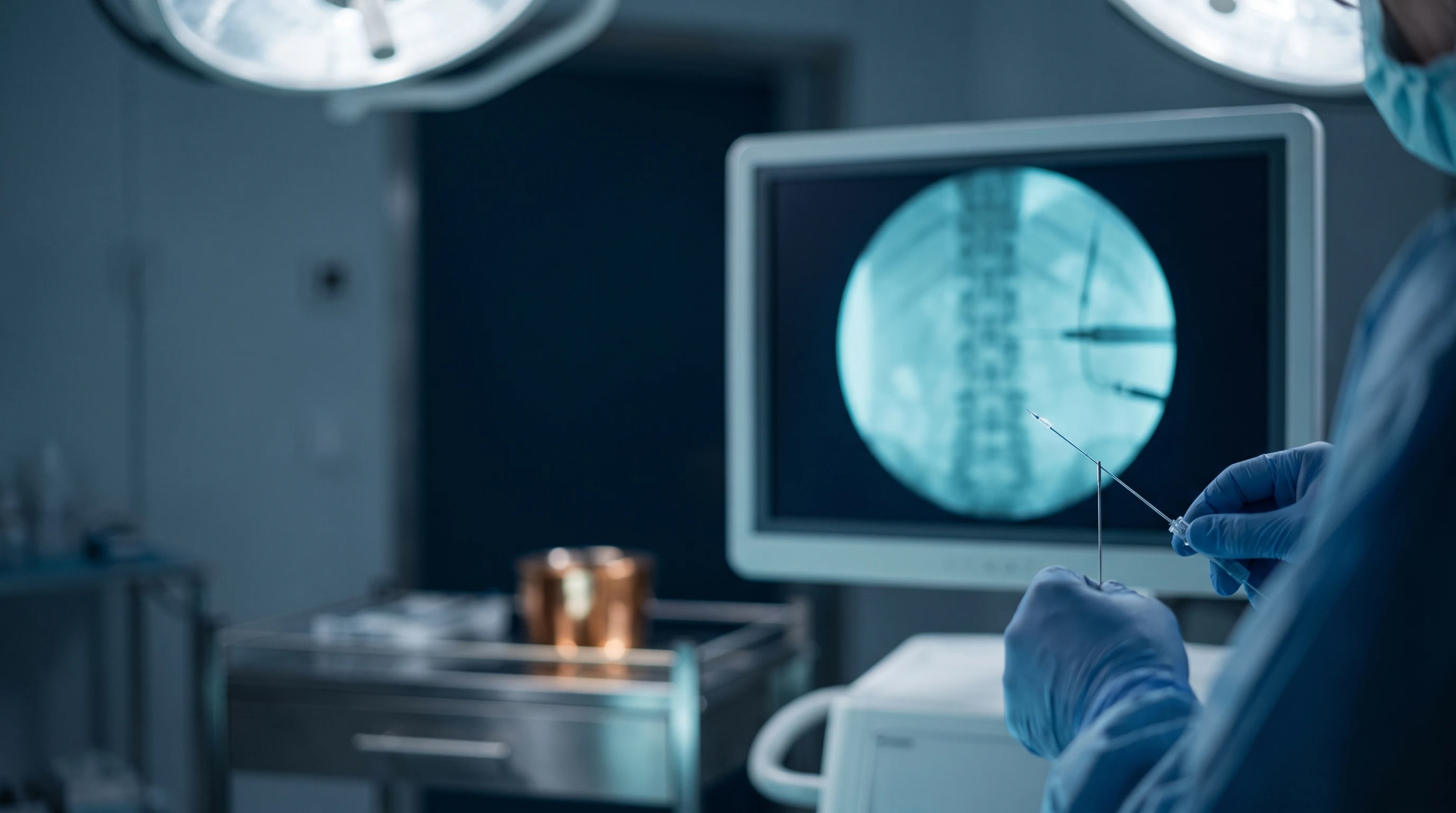
Chronic pain persisting beyond 3 months involves changes in how the nervous system processes pain signals. It is not "just in your head," nor is it purely structural. Effective management requires understanding both the physical source and the central sensitisation that amplifies it.
Our approach begins with a thorough diagnostic workup to identify every contributing factor - structural, neurological, inflammatory, and psychological - before designing a treatment plan tailored specifically to you.
Start with a Pain AssessmentWe follow a stepped-care model - starting with the least invasive, most effective options, escalating only when needed.
Advanced imaging, nerve conduction studies, discography where indicated, and a structured pain history. Understanding the exact pain generator is step one.
Structured physiotherapy, targeted exercises, postural correction, anti-inflammatory medications, and lifestyle modification. Most patients improve significantly at this stage.
Image-guided injections, nerve blocks, and radiofrequency ablation for those who need more than physiotherapy but are not candidates for surgery.
Spinal cord stimulation (SCS) and intrathecal drug delivery for refractory cases - proven options for FBSS, CRPS, and post-surgical neuropathic pain.
Only when a structural cause that cannot be managed conservatively is identified and confirmed. Surgery is the final step, not the first response.
Fluoroscopy- or CT-guided steroid delivery to the epidural space. Effective for radiculopathy and spinal stenosis.
Diagnostic blocks confirm facet pain; radiofrequency ablation gives longer-lasting relief - often 12–18 months.
The SI joint causes up to 25% of low back pain and is commonly overlooked. Fluoroscopic injection confirms and treats it.
A reversible neuromodulation therapy highly effective for FBSS, CRPS, and diabetic neuropathy. Trial before permanent implant.
For severe refractory pain, delivering agents directly to the spinal fluid at a fraction of the systemic dose.
Myofascial and nerve root blocks for localised pain, complex regional pain, and piriformis syndrome.
Watch
Dr. Vignesh Pushparaj explains how selective nerve-root blocks and other interventional injections fit into a stepped, non-surgical-first pain management plan.
A thorough assessment often reveals treatable causes that have been missed. Book a pain consultation and let us find out what's actually happening.